SEO · 3 min read
AI search readiness: what it means for a small business website
AI search readiness explained in plain words: how AI answers pick their sources, and a practical checklist to make a small business website easy to cite.
Sample post. Written as a starter example for the Tarzi blog and hidden from search engines. Review, edit or delete it in the admin before launch.
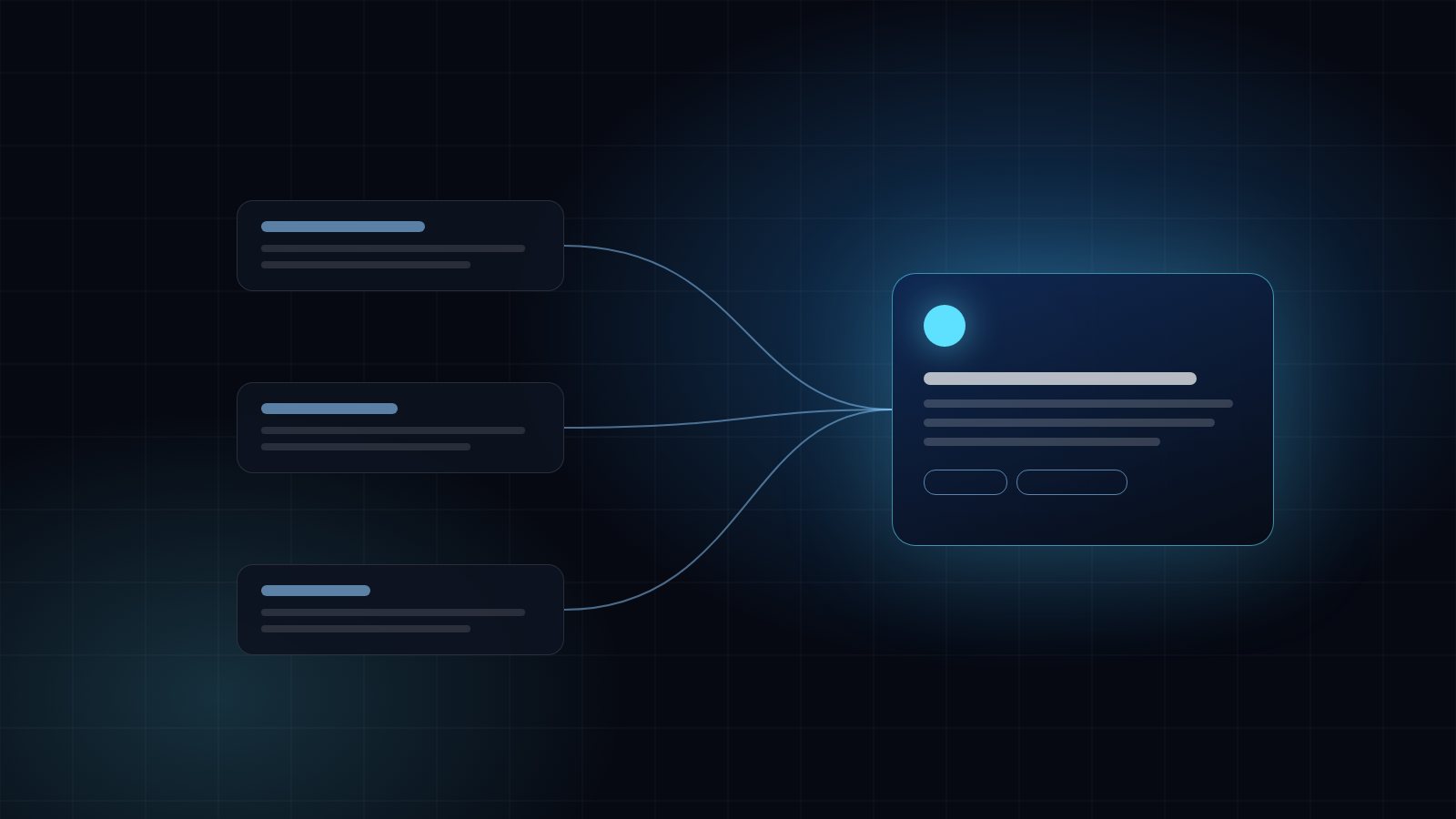
More people now get their first answer from an AI assistant instead of a page of blue links. AI search readiness is the work of making your website easy for those assistants to understand, trust and quote, so that when someone asks a question you can answer, your business is part of the reply.
The good news for small businesses: most of it is the same discipline that has always made sites rank. The difference is that clarity now matters more than cleverness.
How AI answers choose what to cite
Nobody outside the AI companies knows exactly how each assistant picks its sources, and the details change often. What is visible from the outside is consistent, though. Assistants that search the web tend to quote pages that:
- answer a specific question directly, near the top of the page,
- make it obvious who the business is, where it works and what it offers,
- are technically easy to crawl and load quickly,
- show signs of real expertise rather than generic filler.
That is a description of a genuinely useful page. Google says much the same in its guidance on creating helpful, reliable, people-first content.
The AI search readiness checklist
Work through these in order. Each one helps classic search too, so none of the effort is wasted if AI answers change direction again.
1. Make your entity unmistakable
Your business name, what you do, where you do it and how to contact you should be stated the same way everywhere: the home page, the about page, the footer and your business profiles. Inconsistent names and addresses make it harder for any system to be confident it has the right business.
2. Answer real questions, plainly
Collect the questions customers actually ask on calls and in emails. Give each important one a clear heading and a direct two or three sentence answer, then the detail. A page that starts with the answer is easier to quote than one that starts with a history of the company.
3. Add structured data that matches the page
Structured data is a small block of code that labels what a page is about: an organisation, a service, an article, a set of FAQs. It does not replace good writing, but it removes guesswork. Google's introduction to structured data explains the basics, and the full vocabulary lives at schema.org. Only mark up what is visible on the page.
4. Keep the technical basics clean
Pages need to load quickly, work on phones and be reachable by crawlers. Check that important pages are not blocked in robots.txt, that each page has one clear canonical URL, and that your sitemap lists the pages you want found. A well-built website makes all of this the default instead of a clean-up job.
5. Show who is behind the content
Name the people or team responsible, explain their experience, and keep dates honest. Update older articles when facts change and say so. Trust signals help readers, and they help any system deciding whether to repeat what you say.
What not to do
Avoid publishing dozens of thin pages written only to catch questions. Avoid hiding key information inside images or downloadable files. And avoid adding structured data that claims things the page does not show; it can do more harm than good.
Where to start this week
Pick your three most valuable services. For each one, write down the five questions buyers ask before they get in touch, and check whether your site answers them clearly. That single exercise usually reveals the biggest gaps.
If you would like a second pair of eyes, our SEO service includes an AI search readiness review alongside the technical audit, or you can simply tell us what you are working on.